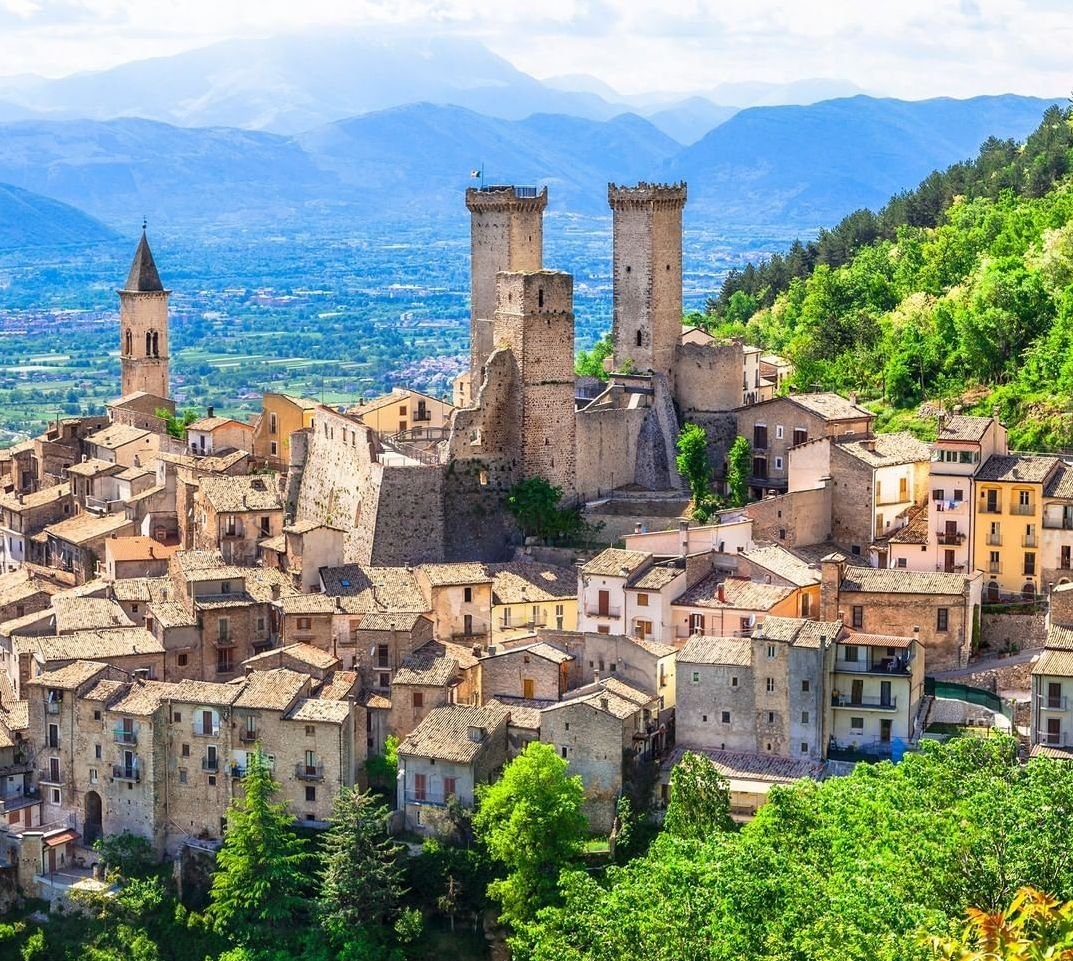
Italy is one of the world’s most popular travel destinations, attracting millions of visitors every year with its extraordinary combination of ancient history, Renaissance architecture, beautiful landscapes, world-famous cuisine, fashion, art, and Mediterranean lifestyle. From the historic streets of Rome and the romantic canals of Venice to the fashionable avenues of Milan and the artistic treasures of Florence, Italy offers an exceptional variety of urban travel experiences.
The country’s cities are among the most culturally significant destinations in Europe. Some are famous for their Roman ruins and archaeological heritage, others for their medieval architecture, religious monuments, museums, shopping districts, gastronomy, and contemporary cultural scenes.
Italy also offers remarkable regional diversity. Northern cities such as Milan, Venice, Turin, and Verona have strong connections to business, fashion, architecture, and European cultural history. Central Italy is particularly renowned for Renaissance art, medieval streets, and historic monuments, while southern cities such as Naples and Palermo provide a fascinating combination of ancient civilizations, Mediterranean traditions, distinctive architecture, and exceptional food.
According to the Italian National Institute of Statistics (ISTAT), Italy recorded approximately 466.2 million tourist overnight stays in 2024, a new national record. Rome remained the country’s leading tourist destination, followed by Milan, Venice, and Florence. These four cities together accounted for an enormous proportion of Italy’s urban tourism activity. Istat+1
This guide explores the most visited cities in Italy, focusing exclusively on cities rather than small towns, seaside resorts, and holiday villages.
1. Rome – The Eternal City
Region: Lazio
Main attractions: Colosseum, Roman Forum, Vatican Museums, St. Peter’s Basilica, Trevi Fountain, Pantheon
Tourism type: Historical, cultural, religious, architectural, gastronomic, and city tourism.
Rome is the most visited city in Italy and one of the most important tourist destinations in the world. Known as the Eternal City, Rome combines more than two thousand years of history with contemporary Italian culture, impressive architecture, traditional neighbourhoods, and an internationally recognised culinary scene.
As the capital of Italy, Rome is the country’s political, administrative, cultural, and historical centre. It is also home to the Vatican City, the headquarters of the Roman Catholic Church and one of the world’s most important religious destinations.
Rome’s historical significance is visible throughout the city. Ancient monuments stand alongside Renaissance palaces, Baroque fountains, medieval churches, and modern buildings, creating an extraordinary urban environment.
Main attractions in Rome
The Colosseum: One of the most famous monuments in the world, the Colosseum was constructed during the Roman Empire and served as an enormous amphitheatre for gladiatorial contests and public spectacles. It remains one of Italy’s most recognisable historical landmarks.
Roman Forum: Located near the Colosseum, the Roman Forum was the political, commercial, religious, and administrative centre of ancient Rome. Its archaeological remains provide an insight into the development of Roman civilisation.
Vatican Museums: These museums contain one of the world’s most important collections of art and historical objects. Their most famous attraction is the Sistine Chapel, decorated with Michelangelo’s celebrated ceiling frescoes.
St. Peter’s Basilica: Located in Vatican City, this magnificent Renaissance church is one of Christianity’s most important religious buildings. Its enormous dome, designed by Michelangelo, dominates the surrounding landscape.
Trevi Fountain: One of the most beautiful Baroque fountains in Europe, the Trevi Fountain attracts visitors throughout the year. The traditional custom of throwing a coin into the fountain is associated with the hope of returning to Rome.
Pantheon: Originally constructed as a Roman temple, the Pantheon is among the best-preserved monuments of ancient Rome. Its impressive dome and central opening, known as the oculus, remain remarkable examples of Roman engineering.
Spanish Steps: This famous staircase connects Piazza di Spagna with the Trinità dei Monti church and is one of the city’s most recognisable public spaces.
Piazza Navona: Known for its elegant Baroque architecture, fountains, restaurants, and lively atmosphere, Piazza Navona is among Rome’s most attractive historic squares.
Things to do in Rome
Visitors can explore ancient archaeological sites, discover the city’s numerous churches, visit world-class museums, enjoy traditional Italian restaurants, and walk through historic neighbourhoods.
Trastevere is particularly popular for its narrow streets, traditional trattorias, cafés, and nightlife. The neighbourhood provides an opportunity to experience a more informal and traditional side of Roman life.
Rome is also an excellent destination for shopping, with Via del Corso, Via Condotti, and the surrounding streets offering everything from international fashion brands to Italian luxury boutiques.
Why visit Rome?
Rome is an essential destination for travellers interested in history, architecture, archaeology, religion, and Italian culture. Its enormous concentration of historical monuments makes it one of Europe’s most rewarding cities for sightseeing.
2. Milan – Italy’s Fashion and Business Capital
Region: Lombardy
Main attractions: Milan Cathedral, Galleria Vittorio Emanuele II, Sforza Castle, Santa Maria delle Grazie, La Scala
Tourism type: Fashion, shopping, business, cultural, architectural, and urban tourism.
Milan is Italy’s second major tourist destination and one of Europe’s most influential cities for fashion, design, finance, and business. Unlike Rome, which is primarily associated with ancient history and classical monuments, Milan represents Italy’s modern economic and creative identity.
The city is internationally recognised for its luxury fashion houses, prestigious shopping streets, international exhibitions, design events, and vibrant cultural scene.
Milan is also an important destination for art and architecture enthusiasts. Its historic centre contains remarkable Gothic and Renaissance buildings, while its modern districts feature contemporary skyscrapers and innovative urban developments.
Main attractions in Milan
Milan Cathedral (Duomo di Milano): One of the largest Gothic cathedrals in the world, the Duomo is Milan’s most recognisable landmark. Its elaborate marble façade, impressive interior, and rooftop terraces make it one of the city’s most important attractions.
Galleria Vittorio Emanuele II: This magnificent 19th-century shopping arcade is one of Europe’s oldest covered commercial galleries. It features elegant architecture, luxury shops, restaurants, and cafés.
Santa Maria delle Grazie: This historic church and convent complex is home to Leonardo da Vinci’s famous mural, The Last Supper. It is a UNESCO World Heritage Site and one of Italy’s most important artistic attractions.
Sforza Castle: Originally a medieval fortress, the castle became one of Milan’s most important Renaissance residences. Today, it houses several museums and art collections.
Teatro alla Scala: One of the world’s most prestigious opera houses, La Scala has played a major role in the development of Italian opera and classical music.
Brera District: Known for its artistic atmosphere, galleries, elegant streets, and restaurants, Brera is one of Milan’s most attractive neighbourhoods.
Navigli: Milan’s historic canal district is particularly popular for its restaurants, bars, cafés, art spaces, and evening entertainment.
Things to do in Milan
Milan is one of Europe’s leading shopping destinations. Visitors can explore the Quadrilatero della Moda, an exclusive fashion district containing boutiques and flagship stores belonging to some of the world’s most famous designers.
The city is also internationally recognised for Milan Fashion Week and the Salone del Mobile, one of the most important international furniture and design exhibitions.
Food lovers can enjoy traditional Milanese dishes, including risotto alla Milanese, cotoletta alla Milanese, and panettone.
Why visit Milan?
Milan is particularly attractive to visitors interested in fashion, luxury shopping, contemporary architecture, art, design, business, and gastronomy. It also provides an excellent starting point for exploring northern Italy, including Lake Como, Lake Maggiore, and the surrounding Lombardy region.
3. Venice – The City of Canals
Region: Veneto
Main attractions: Grand Canal, St. Mark’s Square, Doge’s Palace, Rialto Bridge, St. Mark’s Basilica
Tourism type: Romantic, historical, cultural, architectural, and leisure tourism.
Venice is one of the most distinctive and recognisable cities in the world. Built across a lagoon in northeastern Italy, the city is famous for its canals, bridges, historic palaces, elegant squares, and traditional gondolas.
Unlike almost any other major European destination, Venice has a historic centre where waterways replace conventional streets. Its unique urban design, artistic heritage, and maritime history have made it one of the most extraordinary tourist destinations in Europe.
Historically, Venice was a powerful maritime republic that dominated important commercial routes between Europe and the eastern Mediterranean. Its wealth supported the development of remarkable architecture, painting, sculpture, and craftsmanship.
Main attractions in Venice
St. Mark’s Square (Piazza San Marco): The city’s most famous square is surrounded by historic buildings, cafés, and important architectural monuments.
St. Mark’s Basilica: This magnificent Byzantine-style church is famous for its golden mosaics, decorative domes, and extraordinary interior.
Doge’s Palace: Once the residence of the rulers of the Venetian Republic, this Gothic palace is one of the city’s most important historical buildings.
Rialto Bridge: One of Venice’s most recognisable bridges, the Rialto Bridge crosses the Grand Canal and provides spectacular views of the surrounding waterways.
Grand Canal: The main waterway running through Venice is lined with historic palaces, churches, and elegant buildings. Travelling along it by vaporetto is one of the best ways to appreciate the city’s architecture.
Bridge of Sighs: This famous enclosed bridge connects the Doge’s Palace with the former prison buildings and is associated with Venice’s judicial history.
Teatro La Fenice: One of Italy’s most celebrated opera houses, La Fenice has played an important role in European musical history.
Things to do in Venice
A gondola ride through Venice’s canals is among the city’s most famous tourist experiences. Visitors can also explore its historic neighbourhoods, discover traditional Venetian restaurants, visit art galleries, and enjoy the city’s numerous architectural treasures.
Venice is internationally known for the Venice Carnival, characterised by elaborate masks, historical costumes, and cultural events.
The city also hosts the Venice International Film Festival and the Venice Biennale, two important international cultural events.
Why visit Venice?
Venice offers a unique travel experience that cannot easily be replicated elsewhere. It is especially attractive to couples, photographers, history enthusiasts, architecture lovers, and travellers interested in European cultural heritage.
4. Florence – The Birthplace of the Renaissance
Region: Tuscany
Main attractions: Florence Cathedral, Uffizi Gallery, Ponte Vecchio, Palazzo Vecchio, Accademia Gallery
Tourism type: Art, history, architecture, cultural, educational, and gastronomic tourism.
Florence is one of Italy’s most important cultural destinations and the historic centre of the Renaissance. Located along the River Arno in Tuscany, the city is internationally recognised for its extraordinary artistic collections, historic palaces, churches, museums, and architectural masterpieces.
During the 14th, 15th, and 16th centuries, Florence became one of Europe’s leading centres of artistic, intellectual, and economic development. The city was home to influential artists, architects, writers, and thinkers, including Leonardo da Vinci, Michelangelo, Brunelleschi, and Dante Alighieri.
Florence’s historic centre is a UNESCO World Heritage Site and contains an exceptional concentration of Renaissance architecture.
Main attractions in Florence
Florence Cathedral (Santa Maria del Fiore): One of the city’s most famous landmarks, the cathedral is distinguished by its enormous dome designed by Filippo Brunelleschi.
Uffizi Gallery: One of the world’s most important art museums, the Uffizi contains masterpieces by Botticelli, Leonardo da Vinci, Michelangelo, Raphael, and other Renaissance artists.
Ponte Vecchio: This medieval stone bridge crosses the River Arno and is famous for its traditional jewellery shops.
Accademia Gallery: The museum is internationally known for Michelangelo’s sculpture of David, one of the most celebrated masterpieces of Renaissance sculpture.
Palazzo Vecchio: Located in Piazza della Signoria, this historic palace has served as an important centre of Florentine political life.
Piazza della Signoria: One of Florence’s most important public squares, surrounded by historic buildings, sculptures, and cultural landmarks.
Basilica of Santa Croce: A magnificent Gothic church associated with important historical figures, including Michelangelo, Galileo, and Machiavelli.
Piazzale Michelangelo: A panoramic viewpoint offering impressive views across Florence and its surrounding hills.
Things to do in Florence
Florence is ideal for museum visits, historical walking tours, architectural exploration, and traditional Tuscan dining.
Visitors can explore leather markets, independent boutiques, traditional restaurants, and historic cafés.
The city is also an excellent base for exploring Tuscany’s wider cultural landscape, including the countryside and renowned wine-producing areas.
Why visit Florence?
Florence is one of the world’s most important destinations for art and architecture. It is particularly attractive to cultural tourists, students, historians, photographers, and travellers interested in Renaissance Europe.
5. Naples – The Heart of Southern Italian Culture
Region: Campania
Main attractions: Historic Centre, Naples Cathedral, Royal Palace, Castel dell’Ovo, National Archaeological Museum
Tourism type: Historical, cultural, archaeological, gastronomic, and urban tourism.
Naples is one of the most important cities in southern Italy and a major destination for international and domestic visitors. Located along the Bay of Naples, the city combines ancient history, spectacular coastal scenery, historic neighbourhoods, traditional food, and a vibrant Mediterranean atmosphere.
Naples has a long and complex history shaped by Greek, Roman, Byzantine, Norman, Spanish, and Bourbon influences. Its historic centre is a UNESCO World Heritage Site and contains an exceptional collection of churches, palaces, archaeological monuments, and traditional streets.
The city is also internationally recognised as the birthplace of modern Neapolitan pizza.
Main attractions in Naples
Historic Centre of Naples: One of Europe’s largest historic urban areas, featuring narrow streets, traditional shops, historic churches, and centuries-old buildings.
Spaccanapoli: A famous street that runs through the historic centre and offers a fascinating introduction to traditional Neapolitan life.
Naples Cathedral: Also known as the Duomo di Napoli, this important religious building is famous for its architecture and the Chapel of San Gennaro.
National Archaeological Museum: One of the world’s most important archaeological museums, with outstanding collections of Roman art and objects discovered in Pompeii and Herculaneum.
Royal Palace of Naples: A historic royal residence located in Piazza del Plebiscito, reflecting the city’s Bourbon and Spanish heritage.
Castel dell’Ovo: A historic seaside fortress offering beautiful views across the Bay of Naples.
Castel Nuovo: Also known as Maschio Angioino, this impressive medieval castle is one of the city’s most recognisable architectural landmarks.
Teatro di San Carlo: One of the oldest continuously active opera houses in Europe.
Things to do in Naples
Visitors can explore the city’s historic streets, taste traditional Neapolitan pizza, visit archaeological museums, and discover its vibrant food markets.
Naples is also an important starting point for visiting the archaeological sites of Pompeii and Herculaneum, Mount Vesuvius, and the wider Campania region.
Why visit Naples?
Naples is an excellent destination for travellers seeking an authentic southern Italian experience. Its food culture, archaeological heritage, historic architecture, and energetic street life make it very different from northern Italian cities.
6. Bologna – The Culinary Capital of Italy
Region: Emilia-Romagna
Main attractions: Piazza Maggiore, Two Towers, Basilica of San Petronio, Archiginnasio, Sanctuary of San Luca
Tourism type: Gastronomic, educational, historical, cultural, and architectural tourism.
Bologna is one of Italy’s most attractive historic cities and an increasingly popular destination for international travellers. Located in the Emilia-Romagna region, it is famous for its medieval architecture, extensive porticoes, university heritage, and exceptional culinary traditions.
The city is home to the University of Bologna, traditionally recognised as the oldest university in continuous operation in the Western world, founded in 1088.
Bologna’s historic centre is characterised by terracotta-coloured buildings, medieval towers, covered walkways, and elegant squares.
Main attractions in Bologna
Piazza Maggiore: The central square is surrounded by historic buildings and serves as the heart of Bologna’s cultural and social life.
Basilica of San Petronio: One of the largest churches in Europe, famous for its impressive Gothic architecture.
The Two Towers: The Asinelli and Garisenda towers are among the city’s most recognisable medieval landmarks.
Archiginnasio of Bologna: A historic university building featuring remarkable architectural details and an important anatomical theatre.
Sanctuary of the Madonna di San Luca: Located on a hill overlooking the city, this sanctuary is accessible through a long covered portico.
Bologna’s Porticoes: The city’s extensive covered walkways are a defining architectural feature and form part of its UNESCO World Heritage recognition.
Things to do in Bologna
Bologna is one of the best cities in Italy for gastronomic tourism. Its traditional dishes include tagliatelle al ragù, tortellini, mortadella, lasagne alla bolognese, and regional cheeses.
Visitors can explore traditional food markets, restaurants, historic cafés, and independent shops.
The city also has a lively cultural environment influenced by its large student population.
Why visit Bologna?
Bologna is particularly attractive to food lovers, cultural tourists, architecture enthusiasts, and travellers looking for a historic Italian city with a lively atmosphere.
7. Turin – The Historic Capital of the Italian Kingdom
Region: Piedmont
Main attractions: Mole Antonelliana, Egyptian Museum, Royal Palace, Piazza Castello, Turin Cathedral
Tourism type: Historical, cultural, architectural, museum, gastronomic, and industrial tourism.
Turin is one of northern Italy’s most important cities and an increasingly recognised cultural destination. Located near the Alps, the city is known for its elegant boulevards, historic royal residences, museums, cafés, and impressive Baroque architecture.
Turin was the first capital of the unified Kingdom of Italy from 1861 until 1865. Its historical importance is reflected in its royal palaces, monumental squares, and sophisticated urban planning.
The city is also closely associated with the Italian automotive industry and is historically connected to Fiat.
Main attractions in Turin
Mole Antonelliana: The city’s most recognisable architectural landmark, originally designed as a synagogue and now home to the National Museum of Cinema.
Egyptian Museum: One of the world’s most important museums dedicated to ancient Egyptian civilisation, with an extensive collection of archaeological objects.
Royal Palace of Turin: A magnificent royal residence associated with the House of Savoy and part of the UNESCO-listed Residences of the Royal House of Savoy.
Piazza Castello: The central historic square, surrounded by important buildings, museums, and royal residences.
Turin Cathedral: A Renaissance cathedral famous for housing the Chapel of the Holy Shroud.
Basilica of Superga: Located on a hill overlooking the city, this impressive Baroque basilica offers panoramic views of Turin and the Alps.
Things to do in Turin
Visitors can explore the city’s museums, historic cafés, royal residences, and elegant shopping streets.
Turin is also famous for its chocolate traditions, gianduja, bicerin coffee, and Piedmontese cuisine.
Why visit Turin?
Turin is an excellent destination for travellers interested in royal history, architecture, automotive heritage, museums, and gastronomy. It also offers convenient access to the Alpine landscapes of Piedmont.
8. Verona – The City of Romeo and Juliet
Region: Veneto
Main attractions: Verona Arena, Juliet’s House, Piazza delle Erbe, Castelvecchio, Ponte Pietra
Tourism type: Romantic, historical, cultural, architectural, and event tourism.
Verona is one of northern Italy’s most beautiful historic cities. Located along the River Adige in the Veneto region, it is internationally famous for its association with William Shakespeare’s Romeo and Juliet.
The city has a remarkable combination of Roman monuments, medieval buildings, Renaissance palaces, historic bridges, and elegant public squares.
Verona’s historic centre is a UNESCO World Heritage Site, reflecting its importance as an urban settlement that developed through different historical periods.
Main attractions in Verona
Verona Arena: A remarkably preserved Roman amphitheatre dating from the first century AD. Today, it is used for concerts, cultural performances, and the internationally famous Verona Opera Festival.
Juliet’s House: A historic building associated with the literary story of Romeo and Juliet. Its famous balcony has become one of Verona’s most visited attractions.
Piazza delle Erbe: A beautiful historic square surrounded by medieval buildings, cafés, restaurants, and market stalls.
Piazza Bra: One of Verona’s principal squares, located beside the Roman Arena.
Castelvecchio: A medieval castle that houses an important art museum.
Ponte Pietra: An ancient Roman bridge crossing the River Adige.
Basilica of San Zeno Maggiore: One of the finest examples of Romanesque architecture in northern Italy.
Things to do in Verona
Visitors can explore Roman archaeological remains, walk through historic squares, enjoy opera performances, and discover traditional restaurants.
Verona is also an important centre for wine tourism, with easy access to the renowned wine-producing areas of Valpolicella and Soave.
Why visit Verona?
Verona is particularly attractive to couples, history enthusiasts, architecture lovers, and visitors interested in Italian opera and romantic destinations.
9. Genoa – The Historic Maritime Republic
Region: Liguria
Main attractions: Porto Antico, Via Garibaldi, Doge’s Palace, Genoa Cathedral, Aquarium of Genoa
Tourism type: Maritime, historical, cultural, architectural, and gastronomic tourism.
Genoa is one of Italy’s most historically significant port cities. Located along the Ligurian coast, it was once one of the most powerful maritime republics in the Mediterranean.
For centuries, Genoa played an important role in international trade, shipping, finance, and maritime exploration. Its historical wealth contributed to the construction of magnificent palaces, churches, and commercial buildings.
Today, Genoa combines its maritime heritage with cultural attractions, museums, traditional neighbourhoods, and a developing tourism sector.
Main attractions in Genoa
Porto Antico: The historic harbour area has been transformed into a major cultural and leisure district featuring museums, restaurants, and entertainment facilities.
Aquarium of Genoa: One of Europe’s largest aquariums, attracting families and visitors interested in marine life.
Via Garibaldi: A historic street famous for its magnificent Renaissance and Baroque palaces.
Palazzi dei Rolli: A collection of extraordinary historic palaces recognised as a UNESCO World Heritage Site.
Genoa Cathedral: Also known as the Cathedral of San Lorenzo, this important religious building combines Romanesque and Gothic architectural elements.
Doge’s Palace: A historic building that once served as the centre of political administration in the Republic of Genoa.
Boccadasse: A picturesque former fishing neighbourhood with colourful buildings, small beaches, and traditional restaurants.
Things to do in Genoa
Genoa offers excellent opportunities for exploring maritime museums, historic streets, traditional markets, and waterfront districts.
Its cuisine is particularly famous for pesto alla Genovese, focaccia, seafood, and traditional Ligurian dishes.
Why visit Genoa?
Genoa is ideal for travellers interested in maritime history, historic architecture, Mediterranean culture, and gastronomy. It also provides access to other destinations along the Ligurian coast.
10. Palermo – The Cultural Heart of Sicily
Region: Sicily
Main attractions: Palermo Cathedral, Norman Palace, Teatro Massimo, Quattro Canti, Ballarò Market
Tourism type: Cultural, historical, architectural, gastronomic, and religious tourism.
Palermo is the capital of Sicily and one of southern Italy’s most fascinating urban destinations. Its history reflects centuries of Greek, Roman, Byzantine, Arab, Norman, Spanish, and Italian cultural influences.
The city is particularly famous for its extraordinary architectural diversity. Norman palaces, Arab-influenced buildings, Baroque churches, historic markets, and traditional Mediterranean neighbourhoods create a distinctive atmosphere.
Palermo also has one of Italy’s most interesting culinary cultures, influenced by the different civilisations that have shaped Sicily.
Main attractions in Palermo
Palermo Cathedral: A magnificent religious building combining different architectural styles, including Norman, Gothic, and Baroque elements.
Norman Palace: Also known as Palazzo dei Normanni, this historic palace is one of Palermo’s most important monuments.
Palatine Chapel: Located within the Norman Palace, this extraordinary chapel is famous for its Byzantine mosaics and Arab-Norman architectural decoration.
Teatro Massimo: One of Europe’s largest opera houses and an important centre for Italian performing arts.
Quattro Canti: A famous Baroque intersection featuring four decorated buildings and elegant architectural details.
Ballarò Market: One of Palermo’s most traditional markets, offering fresh produce, street food, seafood, and local specialities.
Church of San Giovanni degli Eremiti: Recognised for its distinctive red domes and Arab-Norman architectural character.
Things to do in Palermo
Visitors can explore traditional markets, historic churches, museums, and monumental squares.
Palermo is particularly famous for its street food, including arancine, panelle, sfincione, cannoli, and other Sicilian specialities.
The city is also a starting point for exploring other parts of Sicily.
Why visit Palermo?
Palermo is an excellent destination for travellers interested in Mediterranean history, Arab-Norman architecture, traditional food, and the cultural diversity of southern Italy.
11. Pisa – The City of the Leaning Tower
Region: Tuscany
Main attractions: Leaning Tower, Piazza dei Miracoli, Pisa Cathedral, Baptistery, Piazza dei Cavalieri
Tourism type: Historical, architectural, educational, cultural, and sightseeing tourism.
Pisa is one of Tuscany’s most internationally recognised cities. Although relatively compact compared with Rome, Milan, or Naples, it attracts visitors from around the world because of its extraordinary architectural heritage.
The city’s most famous landmark is the Leaning Tower of Pisa, an internationally recognised example of medieval architecture.
Pisa was once a powerful maritime republic, competing with other Mediterranean commercial powers. Its historical wealth contributed to the construction of impressive religious and civic buildings.
Main attractions in Pisa
Leaning Tower of Pisa: The city’s most famous monument is a freestanding bell tower known for its noticeable inclination. It is part of the Piazza dei Miracoli complex.
Piazza dei Miracoli: Also known as the Square of Miracles, this UNESCO World Heritage Site contains the Leaning Tower, cathedral, baptistery, and monumental cemetery.
Pisa Cathedral: A magnificent Romanesque building featuring impressive marble decoration and historical artistic treasures.
Baptistery of St. John: One of the largest baptisteries in Italy, known for its distinctive architectural design and acoustics.
Piazza dei Cavalieri: A historic square that was once the political centre of medieval Pisa.
River Arno: The river provides attractive views of the city’s historic buildings and bridges.
Things to do in Pisa
Visitors can explore the historic centre, climb the Leaning Tower, visit museums, and enjoy traditional Tuscan cuisine.
The city is also home to the University of Pisa, giving it a lively academic atmosphere.
Why visit Pisa?
Pisa is an essential stop for visitors interested in medieval architecture and Italian cultural heritage. It is also a convenient destination for travellers exploring Tuscany.
12. Siena – The Medieval Treasure of Tuscany
Region: Tuscany
Main attractions: Piazza del Campo, Siena Cathedral, Palazzo Pubblico, Torre del Mangia, Basilica of San Domenico
Tourism type: Medieval history, cultural, architectural, religious, and gastronomic tourism.
Siena is one of Italy’s most beautiful historic cities and an important cultural destination in Tuscany. Unlike Florence, which is primarily associated with Renaissance art, Siena is particularly famous for its exceptionally preserved medieval urban environment.
The city developed into an important commercial and financial centre during the Middle Ages. Its historic streets, brick buildings, religious monuments, and public squares preserve much of its medieval character.
Siena’s historic centre is a UNESCO World Heritage Site.
Main attractions in Siena
Piazza del Campo: One of Europe’s most beautiful medieval squares, famous for its distinctive shell-shaped design and historic buildings.
Siena Cathedral: Also known as the Duomo di Siena, this impressive Gothic cathedral is decorated with marble, sculptures, and extraordinary artistic details.
Palazzo Pubblico: A historic Gothic palace that has served as the city’s town hall for centuries.
Torre del Mangia: A medieval tower overlooking Piazza del Campo, offering impressive panoramic views.
Basilica of San Domenico: An important Gothic church associated with Saint Catherine of Siena.
Museo dell’Opera del Duomo: A museum containing important works of art associated with the cathedral.
Things to do in Siena
Visitors can explore the medieval centre, discover traditional Tuscan restaurants, visit historical museums, and enjoy the city’s cultural events.
Siena is internationally famous for the Palio di Siena, a traditional horse race held in Piazza del Campo twice each summer.
Why visit Siena?
Siena is particularly attractive to travellers interested in medieval architecture, religious history, traditional Tuscan culture, and historic urban landscapes.
13. Catania – The Baroque City at the Foot of Mount Etna
Region: Sicily
Main attractions: Piazza del Duomo, Catania Cathedral, Via Etnea, Castello Ursino, Roman Theatre
Tourism type: Cultural, historical, architectural, gastronomic, and nature tourism.
Catania is one of Sicily’s most important cities and a major cultural and economic centre on the island’s eastern coast. Located at the foot of Mount Etna, Europe’s highest active volcano, the city offers a distinctive combination of Baroque architecture, ancient history, Mediterranean culture, and volcanic landscapes.
Catania has experienced several destructive earthquakes and volcanic events throughout its history. Much of its historic centre was reconstructed in the Baroque style following the devastating earthquake of 1693.
Today, the city is recognised for its impressive architecture, lively markets, traditional food, and access to Mount Etna.
Main attractions in Catania
Piazza del Duomo: The city’s principal square, featuring the cathedral and the famous Elephant Fountain.
Catania Cathedral: Dedicated to Saint Agatha, the cathedral is one of the city’s most important religious monuments.
Via Etnea: The principal shopping street, offering views towards Mount Etna and access to historic squares and buildings.
Castello Ursino: A medieval fortress originally built in the 13th century.
Roman Theatre of Catania: An archaeological monument illustrating the city’s importance during the Roman period.
Monastery of San Nicolò l’Arena: One of Europe’s largest Benedictine monastic complexes.
La Pescheria: Catania’s traditional fish market, famous for its lively atmosphere and fresh seafood.
Things to do in Catania
Visitors can explore historic markets, discover Baroque architecture, enjoy traditional Sicilian cuisine, and organise excursions to Mount Etna.
The city is also a convenient base for exploring eastern Sicily, including Taormina and Syracuse.
Why visit Catania?
Catania is ideal for travellers interested in Sicilian culture, volcanic landscapes, historical architecture, and traditional Mediterranean cuisine.
14. Bari – The Gateway to Southern Italy’s Adriatic Coast
Region: Apulia (Puglia)
Main attractions: Bari Vecchia, Basilica of Saint Nicholas, Bari Cathedral, Castello Normanno-Svevo, Lungomare
Tourism type: Cultural, historical, religious, gastronomic, and coastal urban tourism.
Bari is the capital of the Apulia region and one of the most important cities in southern Italy. Located along the Adriatic Sea, it is a major commercial port, transportation centre, and gateway to the region’s historical and coastal destinations.
Bari has a distinctive Mediterranean atmosphere, with a historic centre characterised by narrow streets, traditional houses, churches, and local food traditions.
The city is also an important religious destination because of the Basilica of Saint Nicholas, which attracts pilgrims from different parts of Europe.
Main attractions in Bari
Bari Vecchia: The historic old town is famous for its narrow streets, traditional architecture, churches, and local food culture.
Basilica of Saint Nicholas: One of Bari’s most important religious monuments, associated with the relics of Saint Nicholas.
Bari Cathedral: A Romanesque cathedral dedicated to Saint Sabinus.
Castello Normanno-Svevo: A historic castle that reflects the Norman and Swabian periods of southern Italian history.
Lungomare Nazario Sauro: A beautiful waterfront promenade offering views across the Adriatic Sea.
Teatro Petruzzelli: One of Italy’s most important opera houses and cultural venues.
Things to do in Bari
Visitors can explore the old town, enjoy seafood restaurants, walk along the seafront, and discover traditional Apulian cuisine.
Bari is particularly famous for orecchiette pasta, focaccia barese, seafood, and local olive oil.
Why visit Bari?
Bari is an excellent destination for travellers interested in southern Italian culture, religious heritage, Mediterranean gastronomy, and coastal city experiences.
15. Trieste – The Central European City of the Adriatic
Region: Friuli-Venezia Giulia
Main attractions: Piazza Unità d’Italia, Miramare Castle, Canal Grande, San Giusto Castle, Trieste Cathedral
Tourism type: Historical, cultural, architectural, literary, and maritime tourism.
Trieste is a distinctive Italian city located on the Adriatic Sea near the borders with Slovenia and Croatia. Its geographical position and historical background have created a fascinating cultural identity influenced by Italian, Austrian, Slovenian, and Central European traditions.
For centuries, Trieste was an important port within the Habsburg Empire. Its historic architecture, elegant squares, coffeehouse culture, and literary heritage reflect these connections.
Today, it is an increasingly attractive destination for travellers looking to explore a different side of Italy.
Main attractions in Trieste
Piazza Unità d’Italia: One of Europe’s largest seafront squares, surrounded by impressive historic buildings.
Miramare Castle: A beautiful 19th-century castle overlooking the Adriatic Sea, surrounded by landscaped gardens.
Canal Grande: A historic canal located in the city centre, surrounded by elegant buildings, restaurants, and cafés.
San Giusto Castle: A historic fortress offering panoramic views of the city and harbour.
Trieste Cathedral: An important religious monument combining different architectural influences.
Roman Theatre: An ancient Roman archaeological monument located close to the historic centre.
Things to do in Trieste
Visitors can explore historic coffeehouses, walk along the waterfront, discover museums, and enjoy the city’s multicultural gastronomy.
Trieste is particularly famous for its coffee culture and traditional cafés, many of which have literary and historical associations.
Why visit Trieste?
Trieste is ideal for travellers interested in Central European history, maritime heritage, literature, architecture, and a less conventional Italian city experience.
Comparative overview of Italy’s most visited cities
The following table summarises the principal characteristics of the cities featured in this guide.
| City | Region | Best known for | Main tourism |
|---|---|---|---|
| Rome | Lazio | Colosseum and Vatican | Historical and cultural |
| Milan | Lombardy | Fashion and design | Shopping and business |
| Venice | Veneto | Canals and architecture | Romantic and cultural |
| Florence | Tuscany | Renaissance art | Art and history |
| Naples | Campania | Pizza and ancient heritage | Gastronomic and cultural |
| Bologna | Emilia-Romagna | Italian cuisine | Gastronomic and educational |
| Turin | Piedmont | Royal palaces and museums | Cultural and historical |
| Verona | Veneto | Romeo and Juliet | Romantic and historical |
| Genoa | Liguria | Maritime heritage | Historical and coastal |
| Palermo | Sicily | Sicilian culture | Cultural and gastronomic |
| Pisa | Tuscany | Leaning Tower | Architectural and historical |
| Siena | Tuscany | Medieval architecture | Cultural and historical |
| Catania | Sicily | Mount Etna and Baroque architecture | Cultural and nature |
| Bari | Apulia | Historic old town | Cultural and coastal |
| Trieste | Friuli-Venezia Giulia | Central European heritage | Historical and cultural |
Tourism statistics: Italy’s most popular urban destinations
Official tourism statistics are useful for understanding the popularity of Italian destinations. However, it is important to distinguish between tourist arrivals and overnight stays.
- Arrivals represent the number of tourist check-ins at accommodation establishments.
- Overnight stays represent the total number of nights spent by tourists in accommodation establishments.
- Day visitors are not necessarily included in accommodation statistics.
According to ISTAT’s 2024 statistics, the leading destinations by overnight stays were:
| Position | Municipality | Overnight stays in 2024 |
|---|---|---|
| 1 | Rome | 42.71 million |
| 2 | Milan | 14.05 million |
| 3 | Venice | 13.29 million |
| 4 | Florence | 9.19 million |
| 5 | Rimini | 6.94 million |
| 6 | Cavallino-Treporti | 6.76 million |
| 7 | San Michele al Tagliamento | 5.57 million |
| 8 | Jesolo | 5.50 million |
| 9 | Caorle | 4.43 million |
| 10 | Bologna | 4.15 million |
| 11 | Lazise | 4.05 million |
| 12 | Naples | 3.86 million |
| 13 | Lignano Sabbiadoro | 3.62 million |
| 14 | Cesenatico | 3.61 million |
| 15 | Turin | 3.58 million |
Source: ISTAT 2024 tourism statistics. The national ranking includes municipalities that are seaside and holiday destinations, not exclusively cities. The table is included for statistical context, while the main travel guide focuses on cities. Istat+1
Best time to visit Italy’s major cities
Italy is a year-round destination, but the best time to visit depends on the city, climate, travel interests, and preferred activities.
| Season | Months | Characteristics |
|---|---|---|
| Spring | March–May | Pleasant temperatures, sightseeing, cultural activities |
| Summer | June–August | Festivals, outdoor dining, busy tourist attractions |
| Autumn | September–November | Mild weather, food festivals, cultural tourism |
| Winter | December–February | Christmas markets, museums, fewer visitors in many cities |
Spring: One of the best seasons for visiting Rome, Florence, Venice, Milan, and Naples. Temperatures are generally comfortable for walking and sightseeing.
Summer: Particularly popular for cultural festivals, outdoor events, and evening activities. However, major cities can experience high temperatures and substantial visitor numbers.
Autumn: September and October are excellent months for exploring Italy. The weather is often pleasant, and the season is particularly attractive for culinary tourism.
Winter: Rome, Milan, Turin, Florence, and Venice remain interesting destinations during the winter months. Christmas decorations, cultural events, museums, and seasonal cuisine create a different atmosphere.
How to travel between Italy’s major cities
Italy has an extensive transportation network connecting its principal urban destinations. Visitors can travel between most major cities using high-speed trains, regional railways, buses, domestic flights, and rental cars.
High-speed trains
High-speed trains are among the most convenient transportation options for travelling between major Italian cities.
The main operators include Trenitalia’s Frecciarossa services and Italo.
Popular routes include:
| Route | Approximate high-speed journey |
|---|---|
| Rome – Florence | 1 hour 30 minutes |
| Rome – Naples | 1 hour 10 minutes |
| Rome – Milan | 3 hours |
| Milan – Venice | 2 hours 15 minutes |
| Florence – Bologna | 40 minutes |
| Milan – Turin | 1 hour |
| Bologna – Venice | 1 hour 30 minutes |
Journey times are indicative and vary depending on the service and timetable.
Regional trains
Regional trains are useful for visiting destinations that are not directly served by high-speed services. They are also suitable for shorter journeys between neighbouring cities.
Car rental
Renting a car provides flexibility for travellers who want to combine several Italian cities with countryside destinations, smaller communities, and regional attractions.
However, visitors should be aware that many Italian historic centres have restricted traffic zones known as ZTL (Zona a Traffico Limitato). Entering these areas without the appropriate authorisation can result in fines.
Domestic flights
Domestic flights can be useful for longer journeys, particularly between northern and southern Italy or between mainland cities and Sicily or Sardinia. Nevertheless, high-speed trains are often more convenient when travelling between major cities on the mainland.
Suggested itineraries for visiting Italy’s major cities
Italy’s urban destinations can be combined into several travel routes depending on the available time.
7-day Italian city itinerary
| Day | Destination | Suggested activities |
|---|---|---|
| 1 | Rome | Colosseum, Roman Forum, historic centre |
| 2 | Rome | Vatican Museums, St. Peter’s Basilica |
| 3 | Florence | Cathedral, Uffizi Gallery, Ponte Vecchio |
| 4 | Bologna | Historic centre, traditional food |
| 5 | Venice | St. Mark’s Square, Grand Canal |
| 6 | Milan | Duomo, Galleria, Sforza Castle |
| 7 | Milan | Shopping, museums, city exploration |
10-day Italian city itinerary
| Day | Destination |
|---|---|
| 1–3 | Rome |
| 4–5 | Florence |
| 6 | Bologna |
| 7–8 | Venice |
| 9–10 | Milan |
14-day Italian city itinerary
| Days | Destination |
|---|---|
| 1–3 | Rome |
| 4–5 | Naples |
| 6–7 | Florence |
| 8 | Bologna |
| 9–10 | Venice |
| 11–12 | Milan |
| 13 | Verona |
| 14 | Turin |
These itineraries are designed around major urban destinations and can be adjusted according to travel interests, available transportation, and accommodation preferences.
Why are Italian cities so popular with international tourists?
Italy’s popularity is based on a combination of historical, cultural, geographical, and economic factors.
1. Exceptional historical heritage
Italy was home to the Roman Empire and played a central role in the development of European civilisation. Its cities preserve ancient monuments, medieval architecture, Renaissance masterpieces, and historic religious buildings.
2. World-famous art and architecture
Cities such as Florence, Rome, Venice, and Milan contain some of the world’s most important artistic collections and architectural landmarks.
3. International fashion and shopping
Milan is one of the world’s major fashion capitals, while Rome, Florence, and Venice also offer prestigious shopping destinations.
4. Italian gastronomy
Italian cuisine is one of the strongest attractions for international visitors. Every region has its own traditional recipes, ingredients, wines, and culinary specialities.
5. Cultural events and festivals
Italy hosts internationally recognised events, including the Venice Carnival, Venice Film Festival, Milan Fashion Week, Verona Opera Festival, and numerous regional cultural celebrations.
6. Excellent transportation connections
The country’s extensive railway system and international airports make it relatively easy to combine several cities during one holiday.
7. Diverse regional identities
Each city has a distinctive character. Northern Italy, central Italy, and southern Italy offer different architectural styles, culinary traditions, landscapes, and cultural experiences.
Discovering Italy Through Its Most Visited Cities
Italy’s most visited cities represent some of the richest cultural and historical destinations in Europe. From the ancient monuments of Rome and the fashion districts of Milan to the romantic waterways of Venice and the Renaissance treasures of Florence, each destination provides a different perspective on Italian civilisation.
Naples introduces visitors to the distinctive traditions of southern Italy, Bologna offers an exceptional culinary experience, Turin combines royal heritage with modern urban culture, and Verona preserves a remarkable medieval atmosphere.
Further south, Palermo, Catania, and Bari reveal the cultural diversity of the Mediterranean, while Genoa, Pisa, Siena, and Trieste offer additional opportunities to explore Italy’s maritime, architectural, artistic, and historical heritage.
Whether travellers are interested in art, architecture, history, gastronomy, fashion, shopping, or contemporary urban life, Italy’s major cities provide an extraordinary range of experiences.
For international tourists, exploring several Italian cities in one journey is an excellent way to understand the country’s regional diversity and discover why Italy remains one of the world’s leading tourism destinations.
Leave a Reply
You must be logged in to post a comment.