Category: Regions

  • Italy “Hidden Gems” for 2026

    Italy “Hidden Gems” for 2026

    As classic cities like Venice and Florence implement measures to manage “overtourism,” savvy travelers are heading to Italy’s secondary stars:

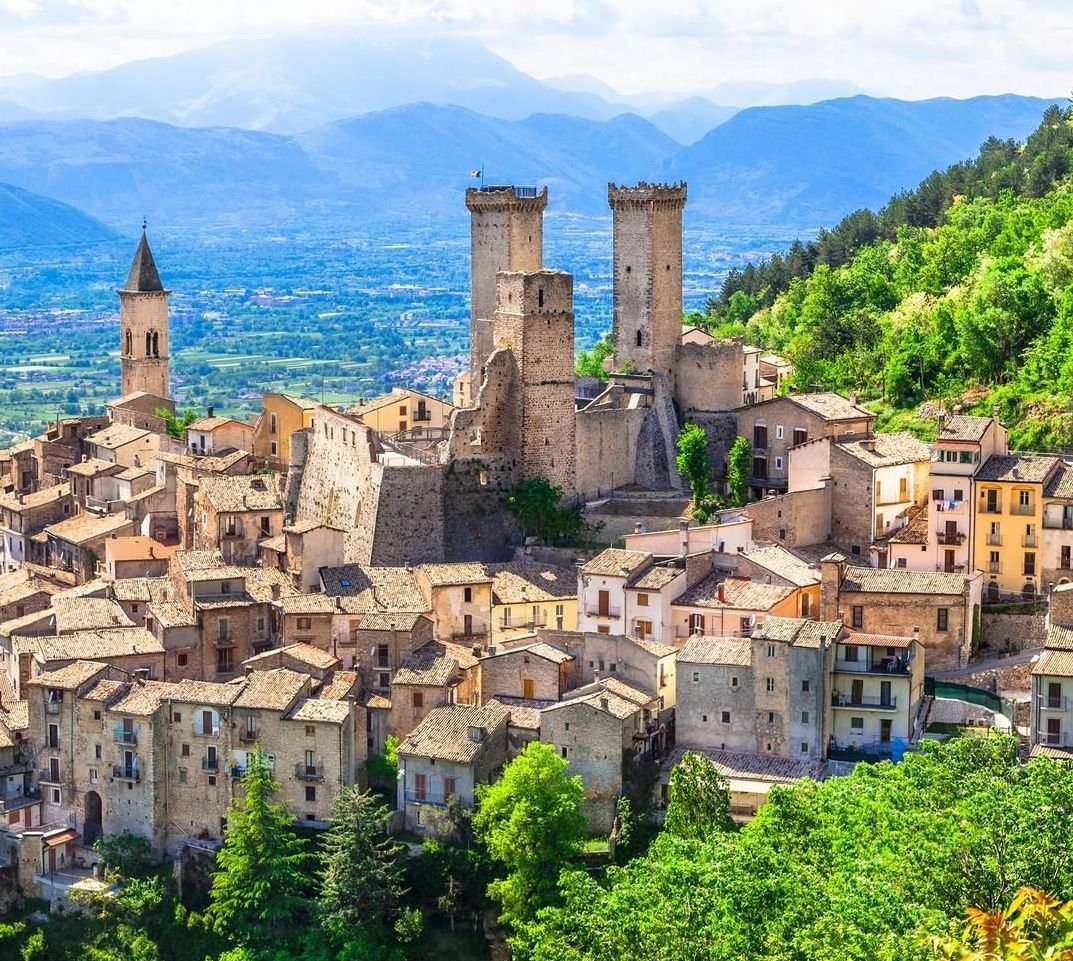
    L’Aquila (Abruzzo): Named the Italian Capital of Culture for 2026, this city is celebrating a massive artistic and structural rebirth. It’s perfect for those seeking authentic history without the museum lines.

    Umbria: Often called “the green heart of Italy,” this region is finally stepping out of Tuscany’s shadow. Towns like Spoleto and Perugia offer world-class truffles and jazz festivals at a more relaxed pace.

    Matera (Basilicata): The “City of Stone” is seeing a surge in “cave luxury,” where ancient dwellings have been converted into high-end boutique hotels featuring private plunge pools and minimalist design.

  • Northern Italy has always been the country’s economic and fashion engine

    Northern Italy 2026: Mountains, Modernity, and the Olympic Spirit
    Northern Italy has always been the country’s economic and fashion engine, but in 2026, it has transformed into a seamless “distributed” playground for global travelers. The hosting model for this year’s Winter Olympics isn’t confined to one city; it stretches from the urban spires of Milan to the jagged peaks of the Dolomites, creating a unique travel circuit that emphasizes sustainability and high-speed connectivity.

    1. The “Olympic Hubs”: Milan & Cortina
    The 2026 Games have turned the Milan-Cortina axis into a high-tech corridor.

    Milan: The city is currently buzzing with indoor ice events and cultural festivals. The new Olympic Village in Porta Romana is a model of urban sustainability, designed to be converted into student housing immediately after the games.

    Cortina d’Ampezzo: Known as the “Queen of the Dolomites,” Cortina has reclaimed its 1956 glory with upgraded “green” venues. It remains the peak of “Alpine Glamour,” where Michelin-starred dining meets world-class skiing.

    2. The Rail Revolution
    One of the biggest stories of 2026 is the High-Speed Rail expansion.

    New Connections: The high-speed line between Brescia, Verona, and Vicenza is now operational, significantly cutting travel times across the Po Valley.

    Sustainability: Italy has successfully positioned rail as the “cool” way to travel. With a 60% surge in international visitors this February, the government’s ban on airport strikes during the Olympic period has made the rail network the most reliable—and eco-friendly—spine for the region.

    3. The “Lakeside Luxe” Boom
    While the mountains are for the athletes, the lakes are for the “slow travel” connoisseurs. 2026 has seen a massive spike in luxury bookings:

    Lake Garda: Bookings are up over 40% as travelers seek out vineyard retreats and sailing.

    Lake Orta: This “hidden gem” is finally competing with Lake Como. Its car-free island, San Giulio, is the top choice for those looking to escape the Olympic crowds.

    4. Culinary Tourism & “Aperitivo Culture”
    Northern Italy’s food scene in 2026 is focusing on “Territorial Authenticity.”

    Valtellina: This region is gaining fame not just for snowboarding but for its “mountain traditions”—specifically pizzoccheri (buckwheat pasta) and thermal baths.

    Bologna & Parma: These remains the “Gastronomic Capitals.” In 2026, there is a trend toward “multi-destination foodie tours” where travelers take the train between these cities specifically for aged Parmigiano-Reggiano and balsamic vinegar tastings.
  • Regions of Italy

    Regions of Italy

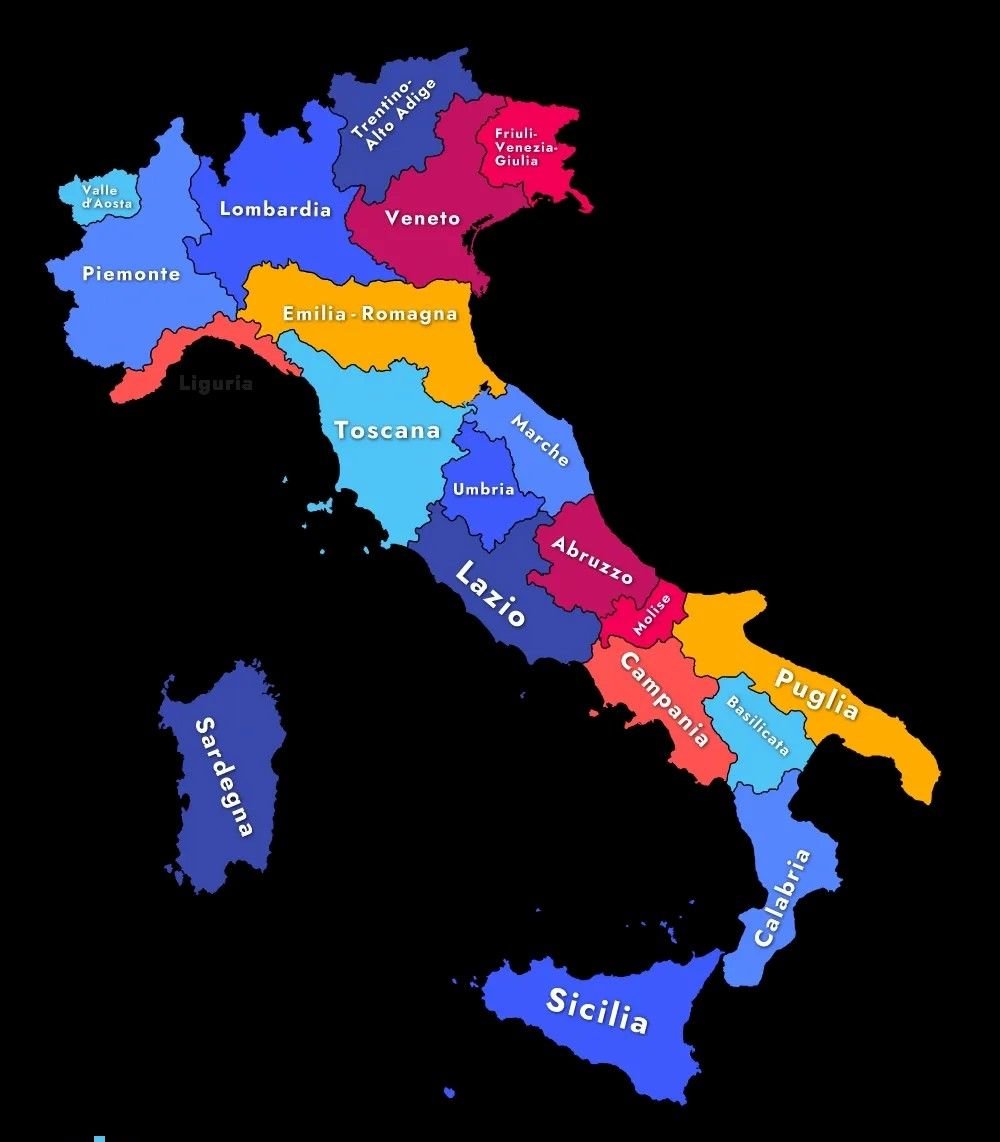
    Italy consists of 20 administrative regions, each showcasing unique cultures, landscapes, and cuisines, varying from Alpine mountains in the north to Mediterranean islands. Five regions (Sicily, Sardinia, Valle d’Aosta, Trentino-Alto Adige, Friuli-Venezia Giulia) have special autonomy, while 15 function under regular laws.

    Regions of Italy (by Geographical Division):

    Northern Italy:
    Aosta Valley (Valle d’Aosta): Alpine region bordering France/Switzerland.
    Piedmont (Piemonte): Home to Turin, famous for wine and truffles.
    Liguria: Coastal region known for the Italian Riviera and Genoa.
    Lombardy (Lombardia): Economic hub with Milan and the Lakes.
    Trentino-South Tyrol (Trentino-Alto Adige): Autonomous region in the Dolomites.
    Veneto: Features Venice and Verona.
    Friuli-Venezia Giulia: Bordering Austria and Slovenia.
    Emilia-Romagna: Culinary center with cities like Bologna and Parma.

    Central Italy:
    Tuscany (Toscana): Renowned for Florence, art, and vineyards.
    Umbria: Known as the “green heart” with medieval towns.
    Marche: Features Adriatic beaches and rugged mountains.
    Lazio: Home to Rome, the national capital.
    Abruzzo: Known for mountainous national parks.

    Southern Italy:
    Molise: A small, rugged region.
    Campania: Features Naples, Pompeii, and the Amalfi Coast.
    Apulia (Puglia): Known for olive groves and whitewashed towns.
    Basilicata: A mountainous, rustic region.
    Calabria: The “toe” of the boot, known for beaches and spicy food.

    Insular Italy (Islands):
    Sicily (Sicilia): Largest Mediterranean island with diverse history.
    Sardinia (Sardegna): Known for pristine beaches and ancient ruins.

    Key Facts:
    Special Statute Regions: These five (Sicily, Sardinia, Valle d’Aosta, Trentino-Alto Adige, Friuli-Venezia Giulia) have greater legislative and financial autonomy due to cultural or geographical uniqueness.
    Capital Cities: Each region has a capital, such as Milan (Lombardy), Venice (Veneto), Florence (Tuscany), and Naples (Campania).