Author: Ti

  • Italy “Hidden Gems” for 2026

    Italy “Hidden Gems” for 2026

    As classic cities like Venice and Florence implement measures to manage “overtourism,” savvy travelers are heading to Italy’s secondary stars:

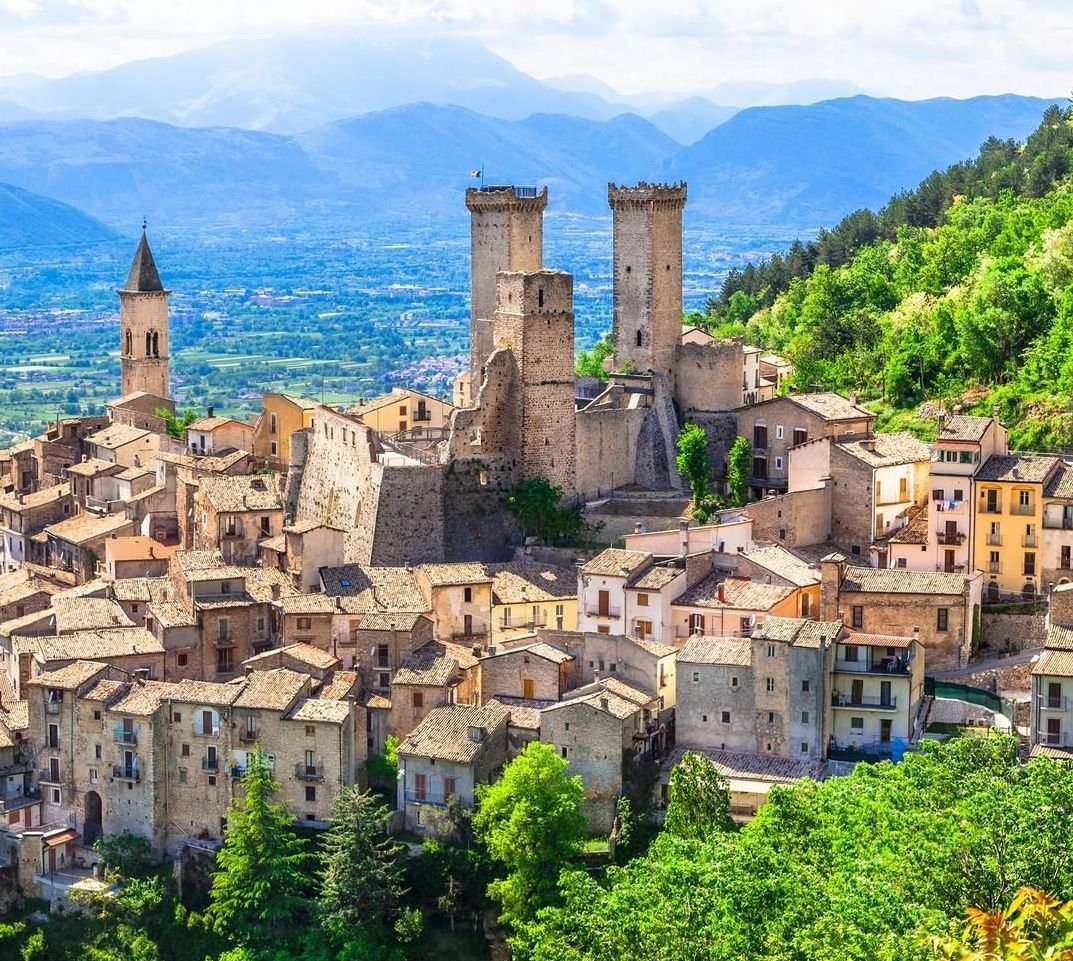
    L’Aquila (Abruzzo): Named the Italian Capital of Culture for 2026, this city is celebrating a massive artistic and structural rebirth. It’s perfect for those seeking authentic history without the museum lines.

    Umbria: Often called “the green heart of Italy,” this region is finally stepping out of Tuscany’s shadow. Towns like Spoleto and Perugia offer world-class truffles and jazz festivals at a more relaxed pace.

    Matera (Basilicata): The “City of Stone” is seeing a surge in “cave luxury,” where ancient dwellings have been converted into high-end boutique hotels featuring private plunge pools and minimalist design.

  • A 7-Day “Veneto Heritage” Itinerary

    Day 1-2: Venice. Focus on the Sestieri of Cannaregio and Dorsoduro for authentic food.

    Day 3: The Islands. Take a private boat to Burano (lace-making) and Torcello.

    Day 4: Padua. Visit the Scrovegni Chapel (Giotto’s frescoes) and the world’s oldest Botanical Garden.

    Day 5: Vicenza & Marostica. Explore Palladian villas and walk the medieval walls of Marostica.

    Day 6: The Prosecco Hills. A day of wine tasting and “slow” lunching in the hills of Rolle.

    Day 7: Verona. End with a sunset walk across the Castelvecchio Bridge and dinner in Piazza Bra.

  • The “North Star” 7-Day Itinerary (Post-Olympic Style)

    This route is designed to maximize the new 2026 rail infrastructure.

    Day 1-2: Milan (The Gateway). Visit the Duomo rooftops and explore the Navigli district for a sunset aperitivo.

    Day 3: Lake Como or Lake Orta. Take a private boat tour. In 2026, many villas have opened new “interactive garden” tours.

    Day 4: Verona & Valpolicella. Visit the Roman Arena (even in winter, it hosts Olympic-related events) and head to the nearby hills for an Amarone wine tasting.

    Day 5: Bolzano & The Ice Man. Take the high-speed train North to visit Ötzi the Iceman and enjoy the unique Italian-Austrian cultural blend.

    Day 6: The Dolomites (Cortina). Use the new Olympic shuttle services to reach the Tre Cime di Lavaredo for a “light” winter hike or cable car ride.

    Day 7: Venice. End your journey in the “City of Canals.” In 2026, remember to book your entry fee/access pass via the official app to avoid fines.

  • Matera & Basilicata: The “Silent Luxury” Route

    Focus: Ancient cave dwellings, James Bond film sets, and mountain ziplines.

    Day 1: The Sassi of Matera. Check into a cave suite in Sasso Barisano. Take a sunset walking tour through the Sassi Caveoso to see the city illuminate like a giant nativity scene.

    Day 2: Cinematic Matera. Follow the “No Time to Die” trail. Visit the Gravina Canyon and the Rock Church of Santa Maria de Idris. Dinner at a “Cave Restaurant” for authentic Lucanian cuisine.

    Day 3: The “Sistine Chapel” of Caves. Visit the Crypt of Original Sin, located outside the city, to see 8th-century frescoes. Afternoon visit to MUSMA, the museum of contemporary sculpture in a cave.

    Day 4: Flight of the Angel. Drive to the “Lucanian Dolomites.” In Castelmezzano, take the Volo dell’Angelo—a high-speed zipline that connects two mountain peaks.

    Day 5: The Ghost Town. Visit Craco, an abandoned medieval hilltop town that serves as a hauntingly beautiful film set. Continue to Aliano, the village of exile for writer Carlo Levi.

    Day 6: Coastal Maratea. Head to the Tyrrhenian coast to Maratea. Visit the Christ the Redeemer statue (second only to Rio’s in size) overlooking the sea.

    Day 7: Ionian Heritage. Visit the Metaponto Archaeological Park to see Greek temple ruins before heading to Bari or Brindisi for your departure flight.

  • Umbria: The “Green Heart” Slow Travel Route

    Focus: Medieval hilltop towns, truffle hunting, and spiritual history.

    Day 1: Perugia’s Underground. Explore the capital’s Rocca Paolina, an underground 16th-century fortress. Enjoy a chocolate tasting at the home of Baci Perugina.

    Day 2: St. Francis of Assisi. Visit the Basilica of San Francesco to see Giotto’s frescoes. Walk the “Path of St. Francis” to the Eremo delle Carceri for mountain views and silence.

    Day 3: Flowers & Wine. Visit Spello, famous for its flower-lined alleys. In the afternoon, head to Montefalco to taste the bold Sagrantino di Montefalco red wine.

    Day 4: The Spoleto Adventure. Explore the Ponte delle Torri (Bridge of Towers) in Spoleto. Spend the afternoon “Slow Travel” style by cycling part of the old Spoleto-Norcia railway track.

    Day 5: Truffles & Mountains. Head to the Sibillini Mountains near Norcia. Join a local truffle hunter and their dogs for a forest forage followed by a black truffle lunch.

    Day 6: The Vertical City. Visit Orvieto. Take the funicular up to the volcanic plateau to see the Duomo (one of Italy’s finest) and descend into the 200-foot-deep St. Patrick’s Well.

    Day 7: Lake Trasimeno. Take a ferry to Isola Maggiore for a quiet morning of lace-making history and fresh lake fish before your departure.