Author: Ti

  • Connecting the major cities in the Veneto region with frequent Trains

    Connecting the major cities in the Veneto region with frequent Trains

    Connecting the major cities in the Veneto region—Venice, Padua, Vicenza, and Verona—is very efficient, with frequent trains running along a single primary rail line.

    1. The Core Route: Venice ↔ Padua ↔ Vicenza ↔ Verona
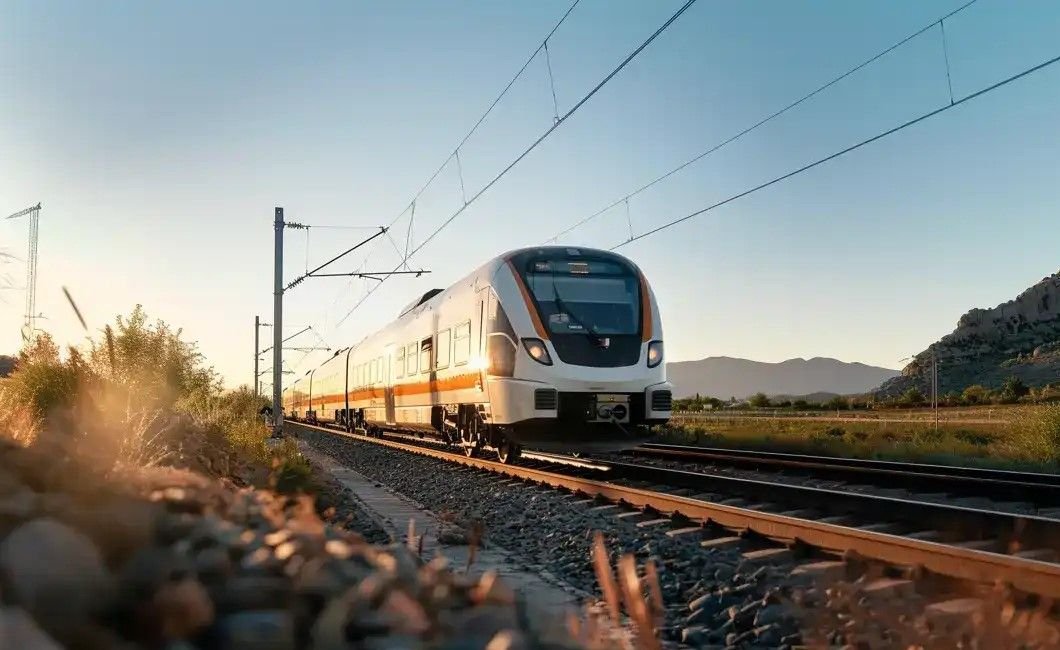
    All four cities are on the same east-west mainline. You can choose between high-speed and regional services:

    High-Speed (Frecciarossa or Italo): Best for speed and comfort. These trains run multiple times per hour.

    Venice to Verona: ~1 hour 1 minute.

    Padua to Verona: ~45 minutes.

    Vicenza to Verona: ~25 minutes.

    Regional (Regionale or Regionale Veloce): Best for flexibility and budget. No reservation is needed, and they run roughly every 30 minutes.

    Venice to Verona: ~1 hour 28 minutes.

    Vicenza to Verona: ~40 minutes.

    2. Mountain Connection: Venice to Cortina d’Ampezzo
    While there is no direct train into the heart of Cortina, the “best” rail-based route involves a train and a synchronized bus:

    Train + Bus Link: Take a train from Venezia Santa Lucia or Mestre to Calalzo-Pieve di Cadore-Cortina (approx. 2.5 to 3.5 hours). From Calalzo, a dedicated “Cortina Link” bus completes the journey to Cortina in about 50 minutes.

    Alternative: Many travelers prefer the direct Cortina Express or ATVO bus from Venice Mestre or Marco Polo Airport, which takes about 2 hours and 15 minutes.

    3. Vineyard Connection: Verona to Prosecco Hills
    The Prosecco region (Conegliano and Valdobbiadene) is best reached via the Treviso line:

    Train Route: From Verona Porta Nuova, take a train toward Venezia Mestre, then change for a regional train to Conegliano or Treviso.

    Verona to Conegliano: ~2 hours (including transfer).

    Prosecco Hills Link: During peak seasons (typically starting in March), Trenitalia often operates a “Prosecco Hills Link,” a combined train+bus ticket that takes you from Conegliano station directly into the vineyards.

    Route Service Type Approx. Duration Frequency
    Venice Verona High-Speed 1h 00m Every 20–30 mins
    Venice Padua Regional 15–25m Every 10–15 mins
    Padua Vicenza Regional 15–20m Every 15–20 mins
    Vicenza Verona High-Speed 25m Every 30 mins
    Venice Cortina Train + Bus 3h 30m+ ~11 daily

    Travel Tip: For high-speed trains (Italo/Frecciarossa), book in advance to secure tickets starting as low as €8.90. Regional tickets have fixed prices and can be bought at the station right before boarding.
  • 2026 Winter Olympics and Paralympics

    2026 Winter Olympics and Paralympics

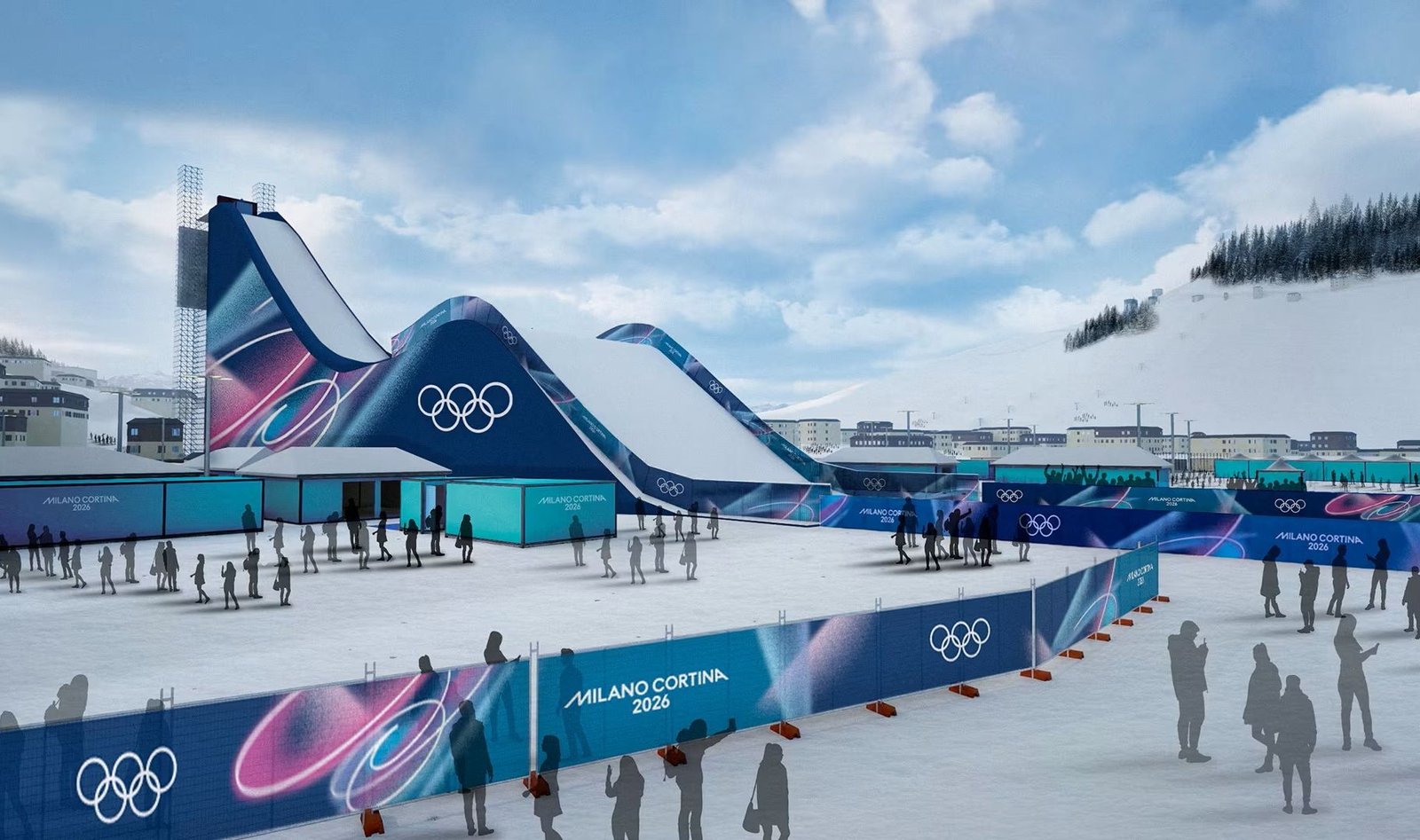
    The eyes of the world are on Northern Italy as it hosts the 2026 Winter Olympics and Paralympics.

    The Hubs: While Milan serves as the urban heart (hosting the opening ceremony at the San Siro), the Dolomites—specifically Cortina d’Ampezzo—will be the stage for alpine skiing and snow sports.

    Travel Tip: Expect heavy crowds and premium pricing in the Lombardy and Veneto regions during February. However, the infrastructure upgrades, including improved high-speed rail links and “green” Olympic venues, will benefit travelers long after the torch goes out.

  • Important 2026 Travel Logistics

    Important 2026 Travel Logistics

    ETIAS Authorization: If you are a citizen of a visa-exempt country (like the US, UK, or Canada), the ETIAS (European Travel Information and Authorisation System) is expected to be fully operational by late 2026. You’ll need to apply online for a small fee (€7–€20) before flying.

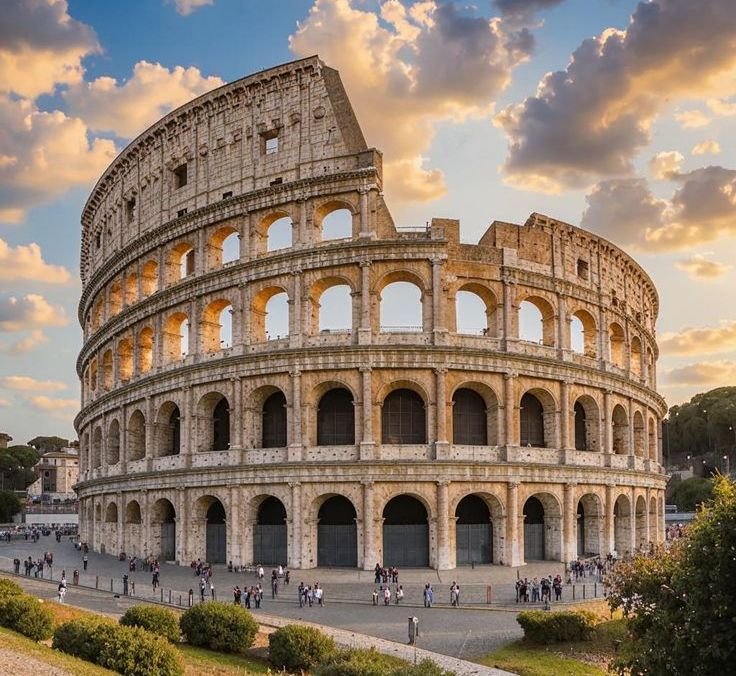
    Digital Booking: Over 65% of travelers in Italy now book everything online. Popular sites like the Uffizi Gallery or the Colosseum often sell out weeks in advance—AI-driven planning tools are now being used by 1 in 3 tourists to snag these spots.

    The “Agriturismo” Boom: There is a 13% spike in travelers choosing farm-stays (agriturismi) over traditional hotels, seeking a deeper connection to the land and local food production.

  • Italy is leaning heavily into eco-conscious travel to protect its heritage

    Italy is leaning heavily into eco-conscious travel to protect its heritage

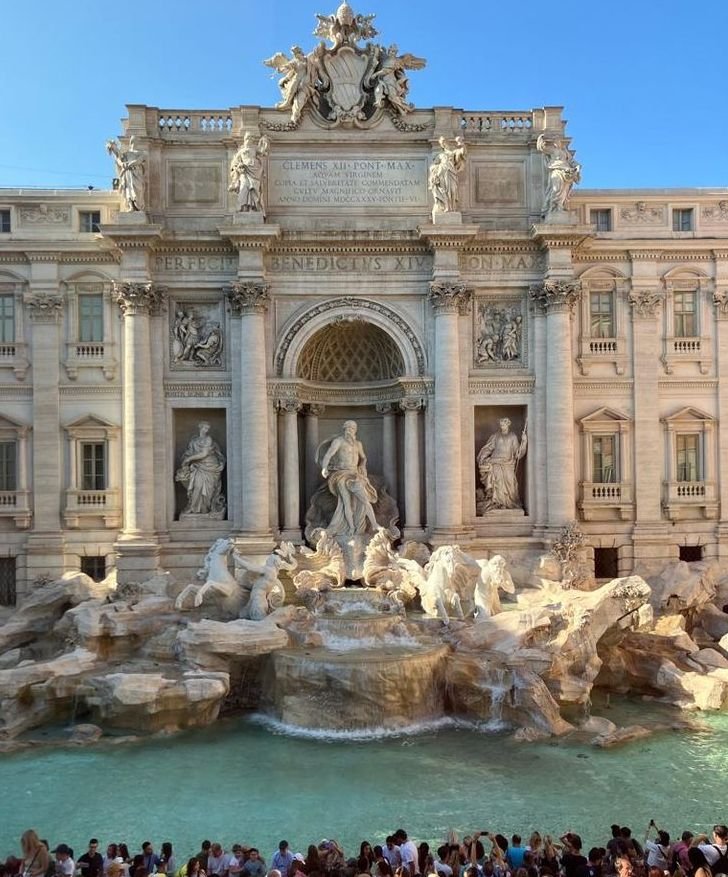
    New Access Fees: Rome recently introduced a small levy (€2) to access the immediate basin of the Trevi Fountain to manage crowding. Venice continues its entry fee system for day-trippers on peak days.

    The Michelangelo Trail: Florence has launched this “narrative tour” to encourage visitors to walk the city’s lesser-known paths, following the life of the Renaissance master while distributing foot traffic away from the main piazzas.

    The Santa Barbara Mining Trail: Located in Sardinia, this 500km route was recently named one of the best “slow travel” paths in the world, perfect for hikers looking to see the island’s rugged, industrial history.

    Comparison: Classic vs. Emerging Destinations

    Classic Choice 2026 Alternative Why?
    Tuscany Le Marche Similar rolling hills and wine, but fewer crowds and lower prices.
    Amalfi Coast Agropoli (Cilento) Stunning sea views and castles without the narrow-road traffic jams.
    Lake Como Lake Orta Known by locals as “Cinderella,” it’s more intimate and peaceful.
  • The Veneto region is arguably the most diverse corner of Italy

    Veneto 2026: From the Lagoon to the Olympic Peaks
    Veneto has always been defined by its contrasts—the floating mystery of Venice, the Roman grandeur of Verona, and the jagged limestone of the Dolomites. However, 2026 marks a turning point where these destinations are more connected than ever, balanced by a sophisticated digital system designed to manage the region’s immense popularity.

    1. Venice: The “Access Fee” Era
    Venice has moved from a “city you just visit” to a “city you must plan.” To combat overtourism, the city has expanded its entry fee system for 2026:

    The “Venice Pass”: On 60 peak days between April and July, day-trippers must pay an access fee (generally €5 if booked 4 days in advance, rising to €10 for last-minute arrivals).

    The QR Revolution: Checkpoints at the Santa Lucia station and Piazzale Roma now require a digital QR code for entry.

    Pro Tip: Stay overnight! Overnight guests are exempt from the fee (though they must still register for a free QR code) and get to experience the “Serenissima” after the crowds vanish at 4:00 PM.

    2. Cortina 2026: The Olympic Glow
    The 2026 Winter Olympics have brought a surge of energy to the Veneto Dolomites.

    Events: Cortina d’Ampezzo is the heart of the mountain events, hosting women’s alpine skiing, curling, and sliding sports (bobsleigh, luge).

    Legacy Infrastructure: New eco-friendly lodges and upgraded cable cars have made the “Queen of the Dolomites” more accessible, even for non-skiers.

    Verona’s Role: Don’t miss the Closing Ceremony, which will take place inside the ancient Verona Arena, combining 2,000 years of history with modern Olympic spectacle.

    3. The Prosecco Hills & “Rural Luxe”
    The UNESCO-listed Prosecco Hills (Conegliano and Valdobbiadene) have become the premier destination for the “Slow Travel” movement.

    Agriturismo 2.0: Travelers are moving away from traditional hotels toward high-end farm stays that offer vineyard “workshops”—allowing guests to participate in the harvest or learn the art of sparkling wine production.

    The Molinetto della Croda: This 17th-century watermill has become a 2026 “Instagram darling,” representing the quiet, rustic charm that provides an escape from the busy Olympic venues.

    4. Hidden Gems: Beyond the Icons
    While everyone flocks to St. Mark’s Square, 2026’s savvy travelers are heading to:

    Vicenza: The “City of Palladio.” The Teatro Olimpico, the world’s oldest indoor Renaissance theater, is a masterclass in perspective and a must-see for architecture lovers.

    Marostica: Known for its “Human Chess Match” (played every two years), this walled town offers a medieval atmosphere that feels untouched by modern tourism.

    The Po Delta: At the southern edge of Veneto, this biosphere reserve is the top choice for birdwatching and “water-safaris” through the lagoons.